
Motorcycle Investor mag
Subscribe to our free email news

Future collectible – Honda CBR1100XX Super Blackbird
by Guy ‘Guido’ Allen; pics by Honda, Ben Galli & GA
October 2020 (updated 2026)
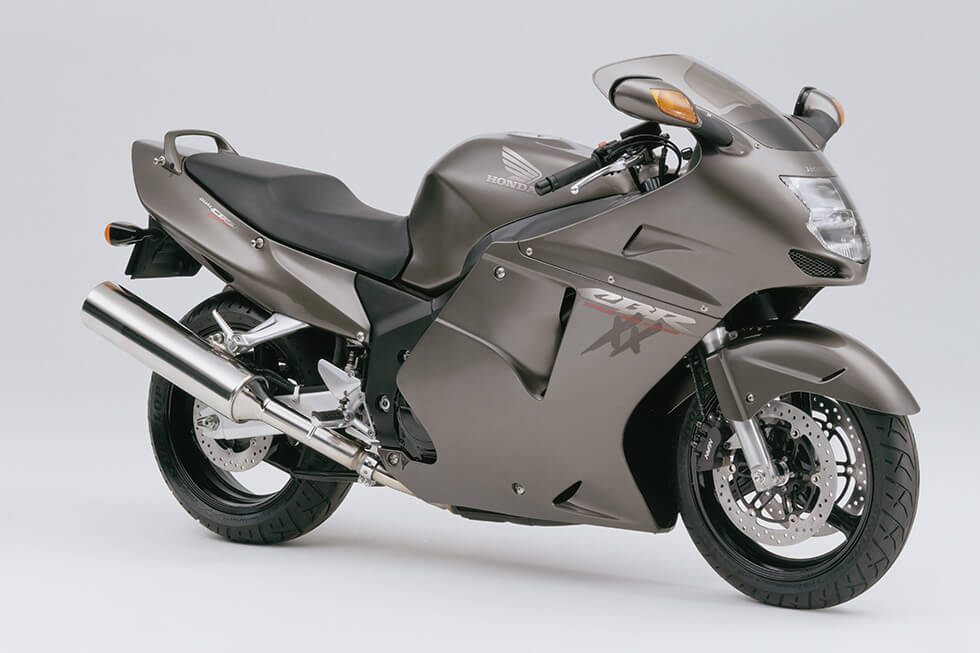
High Flyer
Honda’s Blackbird may have been over-run in the performance stakes, but it’s still a formidable bit of kit
To this day, over two decades later, it all seems a bit mad. Motorcycle makers – or at least some of them – were locked in this power race for the bragging rights attached to having the world’s fastest production motorcycle. In 1996 Honda snatched the gong with its CBR1100XX, aka the Super Blackbird.
It could claim a legitimate 290km/h top speed, a little quicker than Kawasaki’s reigning ZZ-R1100. A couple of years later, Suzuki wandered in and trounced the lot of them with the GSX1300R Hayabusa.
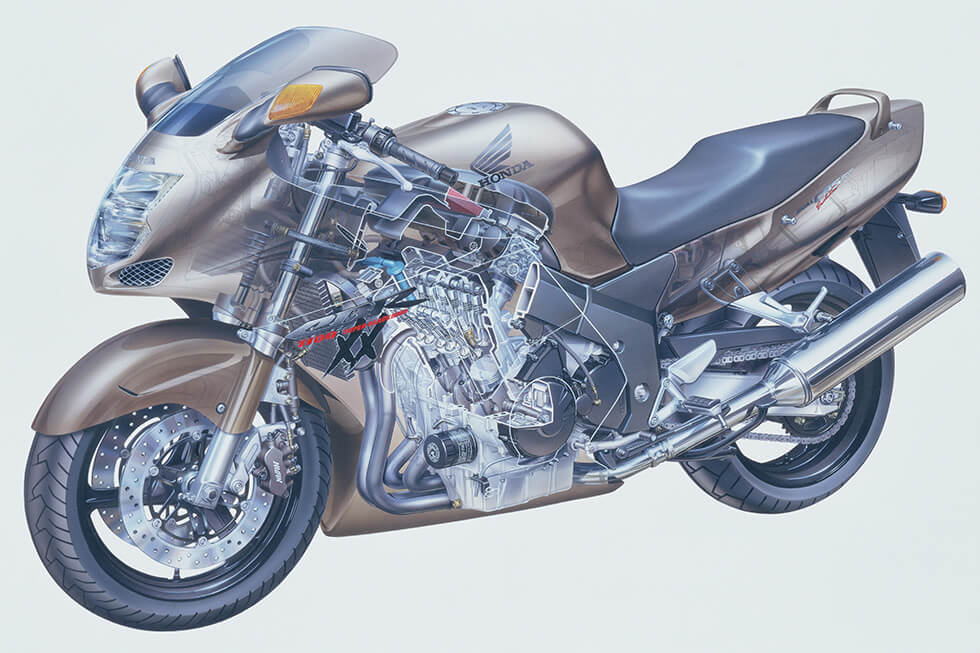
Never mind the power race, there was something else going
on: the Blackbird marked a significant step in the
progression of the sophistication of big performance
motorcycles. Perhaps greater than we realised when they
were first launched.
So what was this wonderful new technology? Err, there
wasn’t any, really. It’s all about refinement and
attention to detail. This was a very conventional
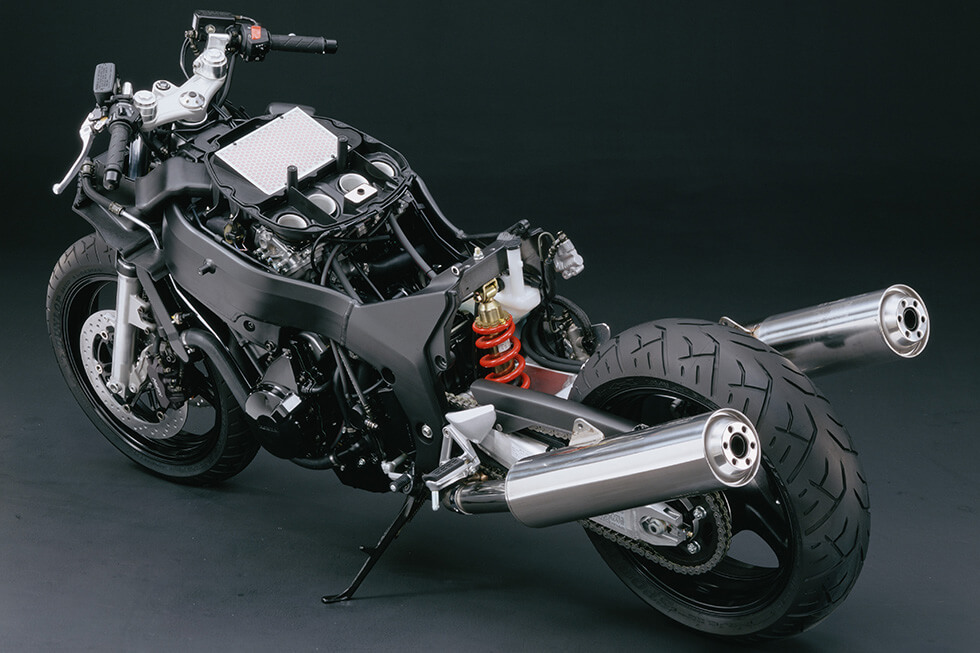
sports-touring multi. The chassis was based on a big and
solid twin-spar aluminium frame, with conventional fork up
front and monoshock rear. The brakes were a bit different
and we’ll get to them later.
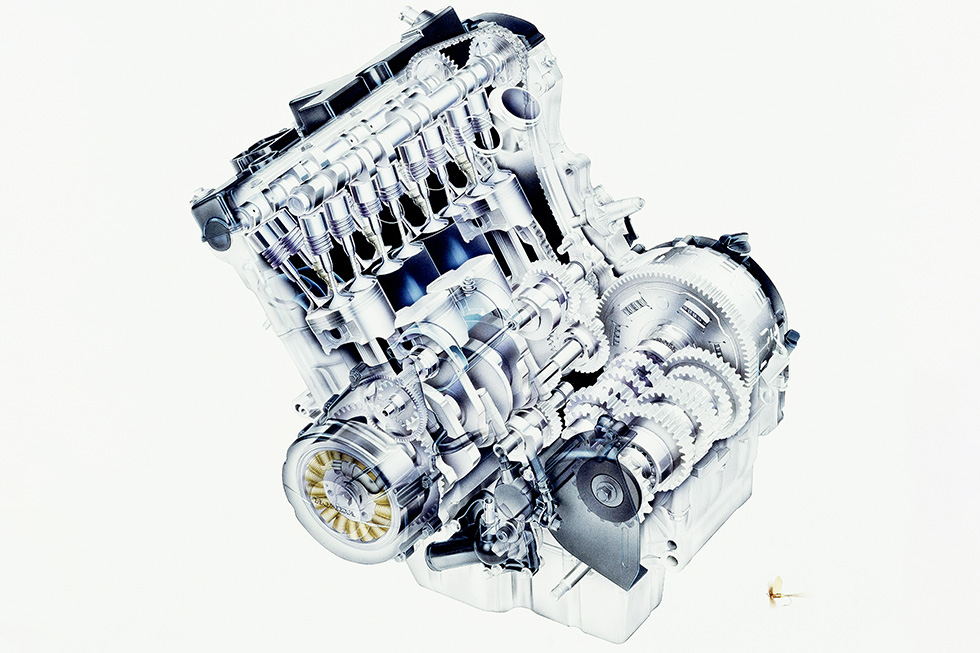
In the engine room, you scored a 16-valve liquid-cooled
four fed by a bank of 42mm CV carbs. Those carburettors
were replaced with the firm’s in-house injection for the
second-gen bike, in 1999. Meanwhile the transmission was a
six-speeder with an hydraulically-actuated wet clutch.
That lot added up to compelling if not revolutionary stats: 164 horses (112kW) for a dry weight of 223. Plenty of urge in a package that was pretty trim, given it was in fact a reasonably civilised two-seater.
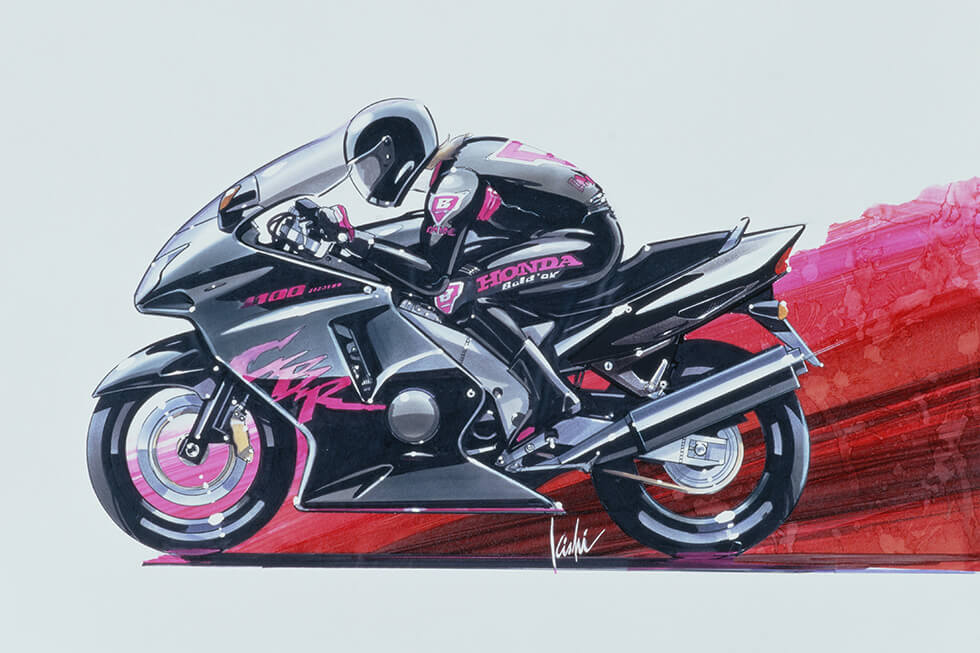
At the time, the give-away this was something a bit
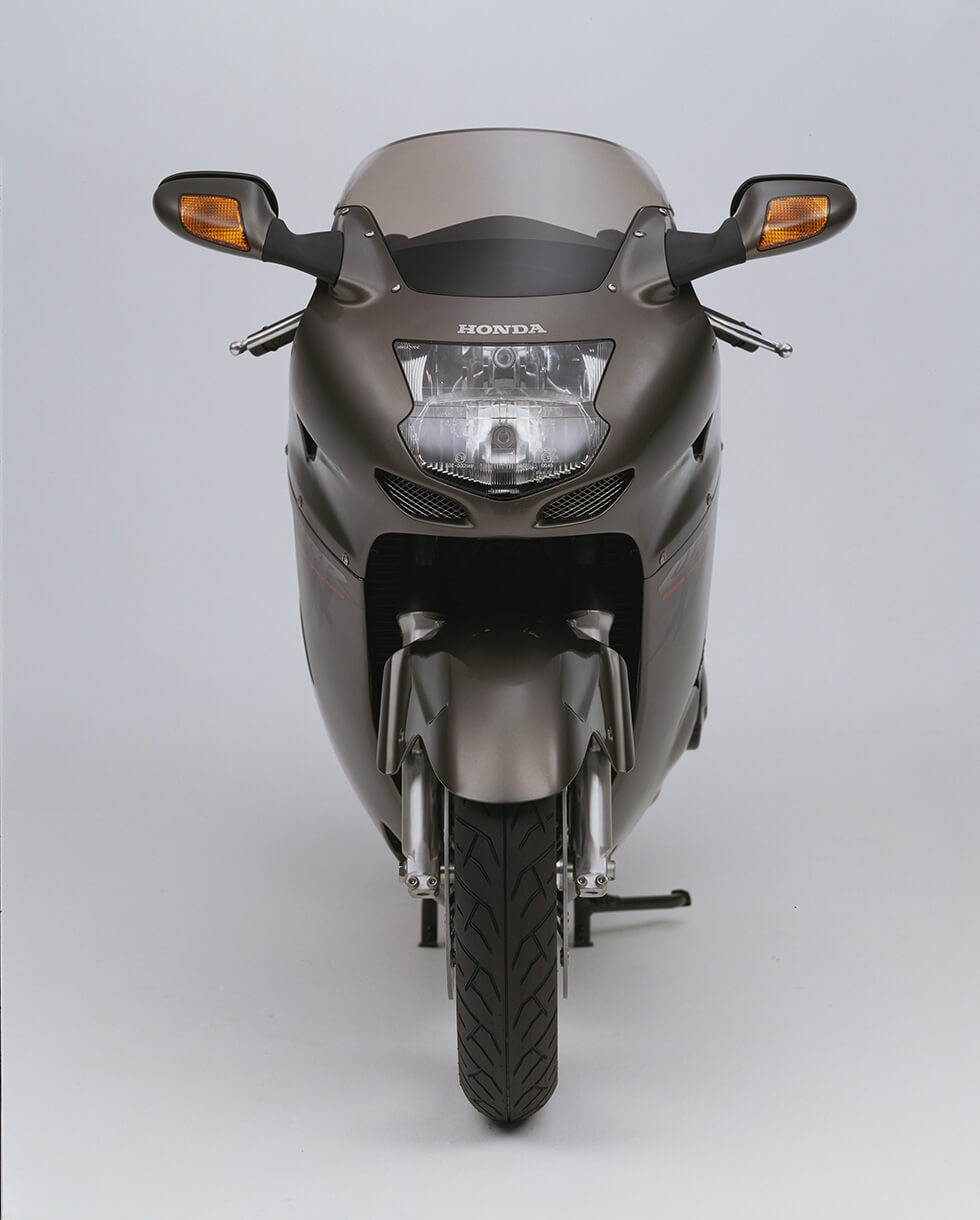
special was the styling. The ‘stacked’ headlight was
definitely an out-there design cue for the day, while the
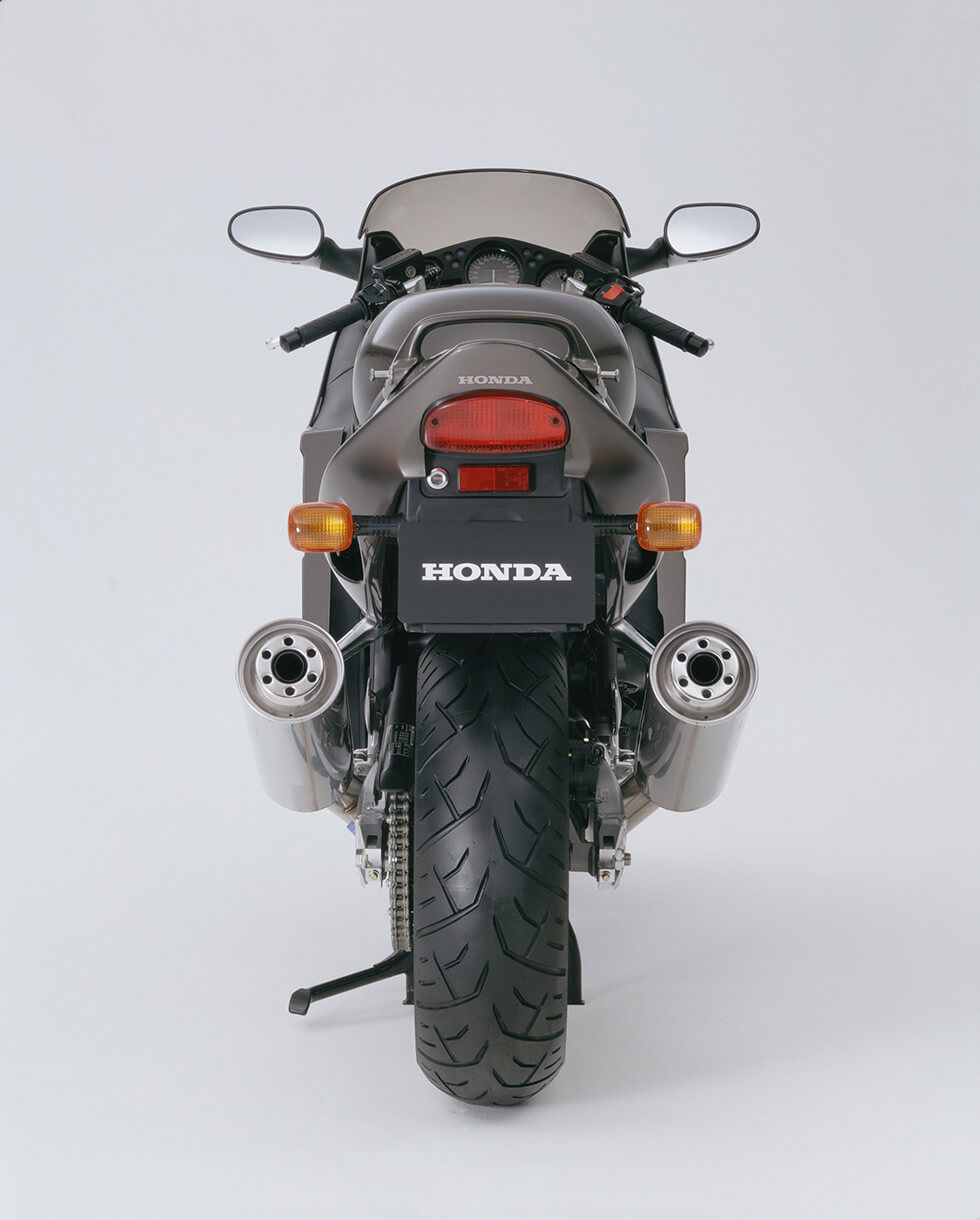
understated graphics and strangely-shaped tail were
talking points. What the…? The clue was in the name –
Blackbird. Honda’s latest flight of fancy was an homage to the
3900km/h Lockheed SR-71 spy plane and, if you look
at both, you can see the styling links – particularly in
the headlamp and tail section of the motorcycle.
What was it like in the saddle? Fast. Yeah, righto, you could probably predict that. For its day, this was a formidably quick bit of kit. The one criticism was a flat spot in the mid-range in the carburettor model, which could be tuned out to some extent. Really, I’ve not heard owners complaining about it, and many riders will never notice. Any hint of that disappeared on the injected versions. With revs on board, in carburettor or injected form, this is a fast and ultra-smooth powerplant that seems to keep on giving right the way through to its 10,000rpm peak power point.
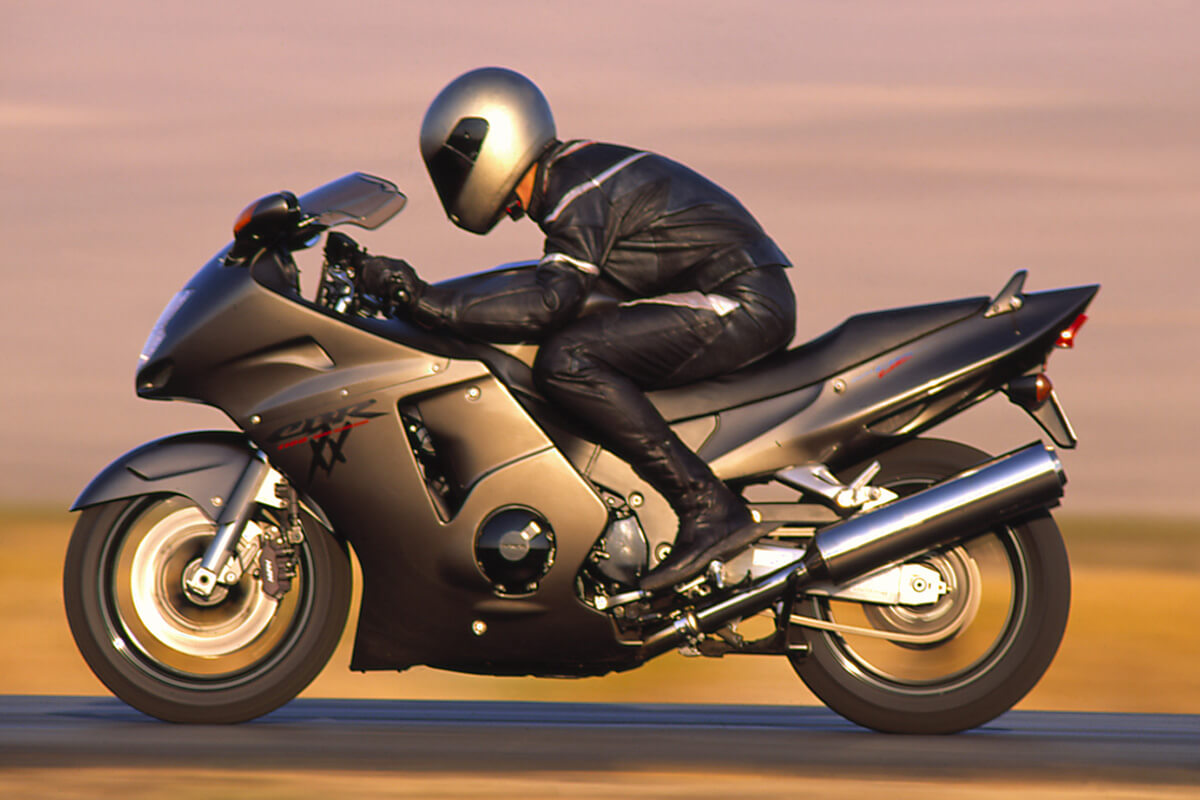
In fact, tied with capable suspension running very much
road rather than track rates, this is a deceptively quick
motorcycle. It’s all too easy to hop on and very soon
discover you’re travelling a whole lot quicker than
intended.
Since we’ve raised suspension, the only adjustment was for rear spring preload and rebound damping. That was under-done, given the performance expectations and its status.
The rates were well thought out as a compromise and there was enough travel for this to be a comfortable travelling companion while supplying a fair degree of feedback and control. You’re unlikely to set lap records, but you can do very respectable point-to-point times. Steering was light enough for a bike this size and the accuracy pretty good.
By now, many would benefit from a suspension refresh or upgrade.
Honda’s Dual Combined Braking System (DCBS) was by far
the most controversial part of the package. It was
designed so, no matter which lever you used, you got some
front and rear retardation. What you had was three by
three-piston brake calipers operated in various
combinations by both the foot and hand brake levers, and
modulated by proportioning valves. DCBS went through some
‘tuning’ changes over its lifespan.
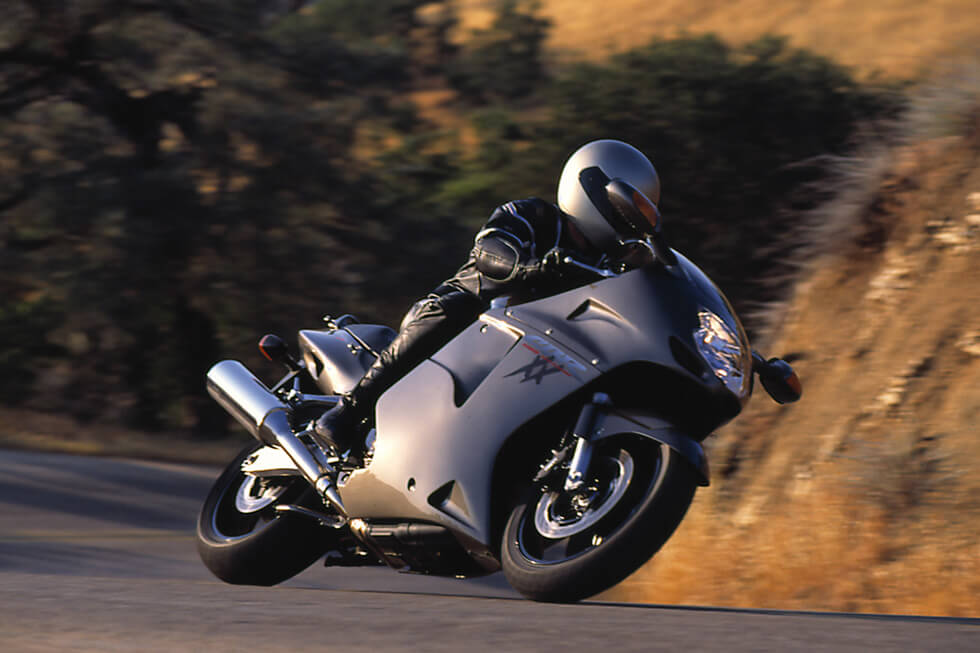
Its advantage was it gave the bike a very stable and flat attitude under hard braking. Disadvantages included no separate control over the rear for low-speed manouvering, plus – on the MkI version - the possibility you could lock the rear brake with the font lever, albeit under very extreme conditions. We’re talking solo super-hard braking on a steep downhill surface where the rear wheel was unloaded.
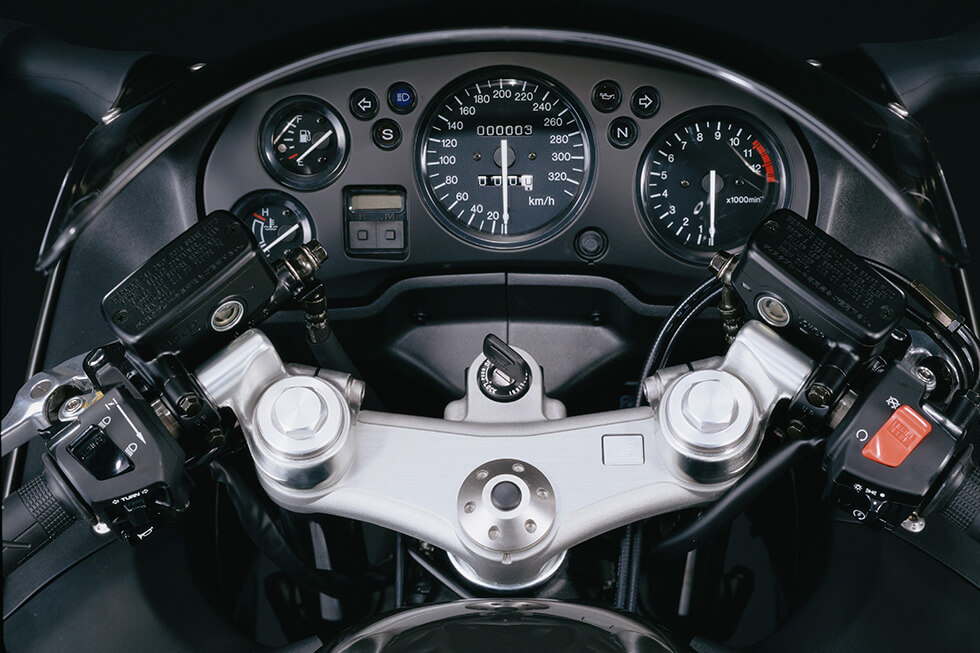
The second generation Blackbird scored an updated DCBS ‘tune’ and was better for it. Really either system was easy enough to adapt to as a rider. In the workshop, you need to be aware that bleeding the system is a little different to most and actually reading the maker’s instructions is advisable.
What really sells this model, particularly as a used buy, is the quality of design and construction. This would rate as one of the most ‘together’ motorcycles Honda ever produced – it feels and looks like a quality product. I reckon this aspect is what kept a lot of people in the Honda fold, even when Suzuki came out with a newer and shinier toy in the shape of the Hayabusa.
Servicing is relatively light on the wallet. The intervals for shims/valve lash are 24,000km and I would not feel any urge to shorten them. Aside from that it’s the usual fluids and filters. It does take patience to get into these things, as you need to remove a fair few components to get to the top of the engine. It’s typical for a fully-faired multi of the period, but still a chore.
Mileage really doesn’t worry these things, so long as they get a little love. Something with 100,000km on it should still be a very long way from worn out, though you might consider a camchain and tensioner check-up as a precaution.
There were three generations: carbureted, plus two injected. The second injected bike had a catalytic converter, which robbed some power, and a digital/analogue dash mix.
Despite the fact I’ve whined about DCBS over the years, I’ve owned all three variants and now have a first model in the shed. That, I might add, still feels like a surprisingly competent ride.
Prices seem to vary from $3000 to $10,000, with the middle
of that range offering some red-hot value if premium
condition and bang for your buck are prime concerns. Of
the three editions, the first will long-term be the most
collectible, while the second is my pick as a ride –
ultra-well sorted, still with full power, and a
traditional analogue dash. (See What Bird is That
below.)
Could it one day be a classic? Well I reckon it will
happen. It was a landmark model for the brand and has the
huge advantage of a sexy name with a good derivation.
Late-nineties motorcycles aren’t generally on the radar of
collectors just yet, but they will get there. In the
meantime you’d have something that is a truly good ride.
***
See the our bikes
page for three stories on our own first-gen Blackbird
See our 2013
video review of the one in our shed (above)
And our most
recent web update, in 2022
ONLINE OWNER GROUPS
International: cbrxx.com and cbr1100xx.org
***

Blackbird’s Dad
Honda’s project leader on the Blackbird, Isao Yamanaka,
holidayed in Australia back in 2000 and took a little time
out to chat with a gaggle of bike journos. He turned out
to be a true bike nut with a fascinating background.
His career, which started with Honda in 1974, included working on the teams for the Honda Bol d’Or series, the notorious NR500/750 eight-valve project and numerous others.
And his prime interests away from work? Football and beer…

What Bird is That?
Blackbirds were built from 1996 (for the 1997 model year
in some markets) through to 2007. There were three
generations:
1997-1998: Carburettors, 22 litre fuel tank, 164hp claimed;
1999-2000: Injected, 24 litre fuel tank, two-deck tail-light, 164hp claimed;
2000-2007: Mixed analogue/digital dash, catalytic converter, 152hp claimed.
Several other running changes were made, for example a new front hub and discs between gen 1 and 2, plus alterations to the set-up of the linked brake system across all three generations.
Blackbird vs Hayabusa vs ZX-12R
It seems to be one of those rules in life that
you can’t publish anything online about Blackbirds without
someone assuring you a 'Busa or a Kawasaki ZX-12R is
better. Well, yes and no.
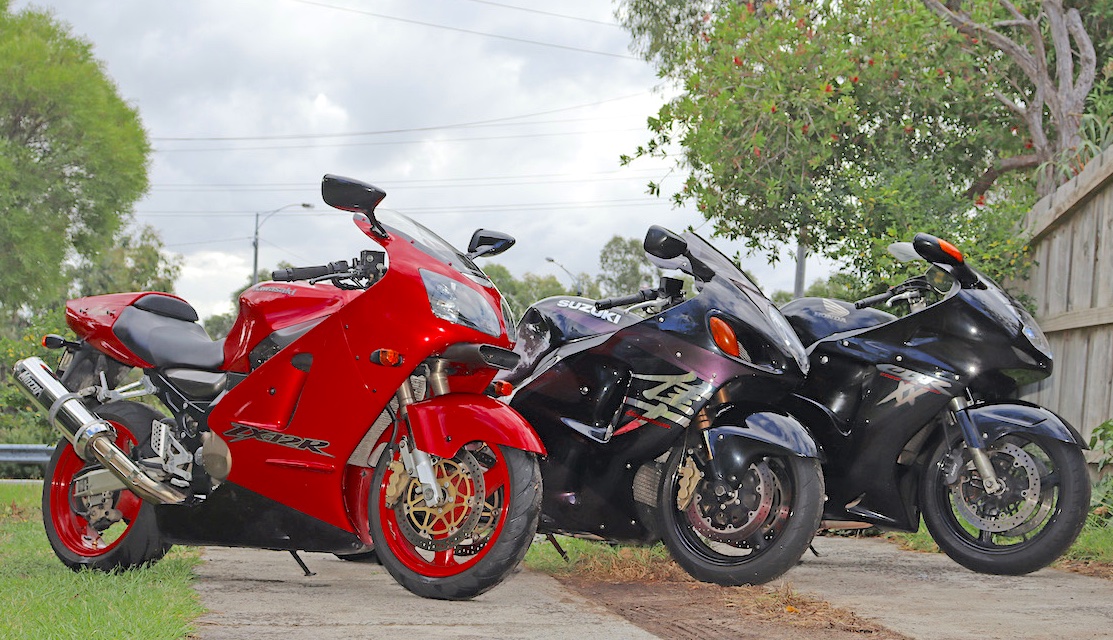
Suzuki’s first-gen Hayabusa claimed more power (175 vs 164hp) and a little more torque lower down the rev range (126Nm @ 6250rpm vs 124Nm @ 7250rpm). Equally significant from a performance point of view was the claim for superior aerodynamics and its accompanying dramatic styling. In the end that meant a top speed of just over 300km/h versus 290.
Then came Kawasaki with the
ZX-12R Ninja, which claimed more like 189 horses,
and was speed-limited to 299kph (180mph).
As someone who owns all three models, I can tell you the
Blackbird is actually a more refined ride and probably the
pick for long trips. It’s smoother and just that little
bit better integrated. It also has linked brakes, which
may or may not be a benefit, depending on your point of
view.
The Hayabusa is a thoroughly entertaining brute with a
surprising level of civility when ridden gently, while the
Kawasaki is a very quick bit of kit with a little more
sporting potential.
So which one is better? It depends on what you’re looking for…
See our first-gen Suzuki Hayabusa buyer guide here
See the Classic Two Wheels 1999 Haybusa road test here
SPECS:
Honda CBR1100XX Blackbird (1996-2007)
ENGINE:
TYPE: Liquid-cooled, four-valves-per-cylinder, inline four
CAPACITY: 1137cc
BORE & STROKE: 79 x 58mm
COMPRESSION RATIO: 11:1
FUEL SYSTEM: 42mm Keihin CV carbs or Honda fuel injection
TRANSMISSION:
TYPE: Six-speed, constant-mesh,
FINAL DRIVE: Chain
CHASSIS & RUNNING GEAR:
FRAME TYPE: Aluminium twin-spar
FRONT SUSPENSION: Cartridge telescopic fork, 120mm travel
REAR SUSPENSION: Preload-adjustable & rebound
dampingvs adjustable monoshock, 120mm travel
FRONT BRAKE: 310mm discs with three-piston calipers DCBS
REAR BRAKE: 256mm disc with three-piston caliper DCBS
DIMENSIONS & CAPACITIES:
DRY/WET WEIGHT: 223/254kg
SEAT HEIGHT: 810mm
WHEELBASE: 1490mm
FUEL CAPACITY: 22 or 24lt
WHEELS & TYRES:
FRONT: 3-spoke cast alloy , 120/70 ZR17
REAR: 3-spoke cast alloy, 180/55 ZR17
PERFORMANCE:
POWER: 122kW @ 10,000rpm (113kW in third edition with Cat)
TORQUE: 124Nm @ 7250rpm
OTHER STUFF:
PRICE WHEN NEW: $16500-18,790 + ORC
Good:
Fast
Comfortable
Well made
Not so good:
Not ideal as a track bike


-------------------------------------------------
Produced by AllMoto abn 61 400 694 722
Privacy: we do not collect cookies or any other data.




Archives
Contact